FSSAI Rules You Can’t Ignore If You Sell Food in India!


Think FSSAI is just paperwork? Think again. Ignoring these rules can lead to fines, product bans, or even business shutdown. Here’s a quick, no-nonsense guide to what every food business must know.
What is FSSAI?
FSSAI (Food Safety and Standards Authority of India) is the authority that regulates food safety in India. It ensures that the food reaching consumers is safe, hygienic, and properly tested.
Who Comes Under FSSAI?
If you deal with food in any way, FSSAI applies to you. This includes:
Manufacturers and processors
Restaurants, cafes, cloud kitchens
Retailers and wholesalers
Importers and exporters
Even small or home-based food businesses are covered.
Types of Licenses
FSSAI has three main categories:
Basic (small businesses)
State (medium level)
Central (large scale & import/export)
Choosing the right type is important for compliance.
Key Rules to Follow
FSSAI isn’t just about getting a license. You must:
Maintain hygiene and cleanliness
Follow food safety standards
Use proper packaging and labeling
Keep your license updated
Labeling is Mandatory
For packaged food, labels must clearly show:
Ingredients
Expiry date
Nutritional details
FSSAI license number
Wrong labeling can lead to penalties.
Common Mistakes
Businesses often make errors like:
Using the wrong license type
Ignoring hygiene standards
Not renewing licenses
Selling without proper labeling
Penalties You Should Know
Non-compliance can result in:
Heavy fines
License cancellation
Business closure
Why It Matters
FSSAI compliance builds trust and helps your business grow. Customers prefer safe and certified food brands.
FSSAI is not just a legal requirement—it’s essential for running a safe and successful food business in India. Stay compliant, stay trusted.
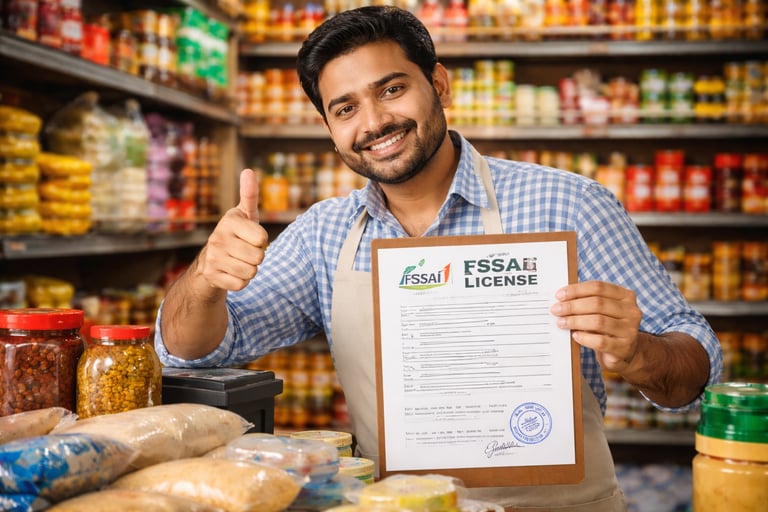
Smart Compliance,
Stronger Business!
Trueway
Registration & Co.
Your trusted partner for all business registration and compliance needs in India.
Quick Links
Services
EPR Plastic Waste
EPR E-waste
EPR Battery Waste
EPR Used Oil
EPR Tyre Waste
EPR Compliance
ISO | GST | IEC | WPC
LMPC | FSSAI | MSME
ICE GATE | AD CODE | DSC
SPICE BOARD | APEDA | DGFT
SIMS | PIMS | AIMS | CIMS
COO | SAFTA | AFTA
© 2026 Trueway Registration & Co. All rights reserved.